
Solar Generator Supplier vs Trading Company:
Which Is Better for Importers?
Keywords focus:
solar generator supplier, solar generator manufacturer, solar generator trading company, OEM solar generator
Introduction: A Common Dilemma for Solar Generator Importers
For many solar generator importers, distributors, and EPC companies, one critical question often comes up at the sourcing stage:
Should I work with a solar generator manufacturer or a trading company?
Choosing the wrong partner can lead to:
Unstable product quality
Delayed delivery
Poor after-sales support
Limited customization capability
This article compares solar generator suppliers (manufacturers) and trading companies, helping importers make a safer, long-term decision.
1. What Is a Solar Generator Manufacturer?
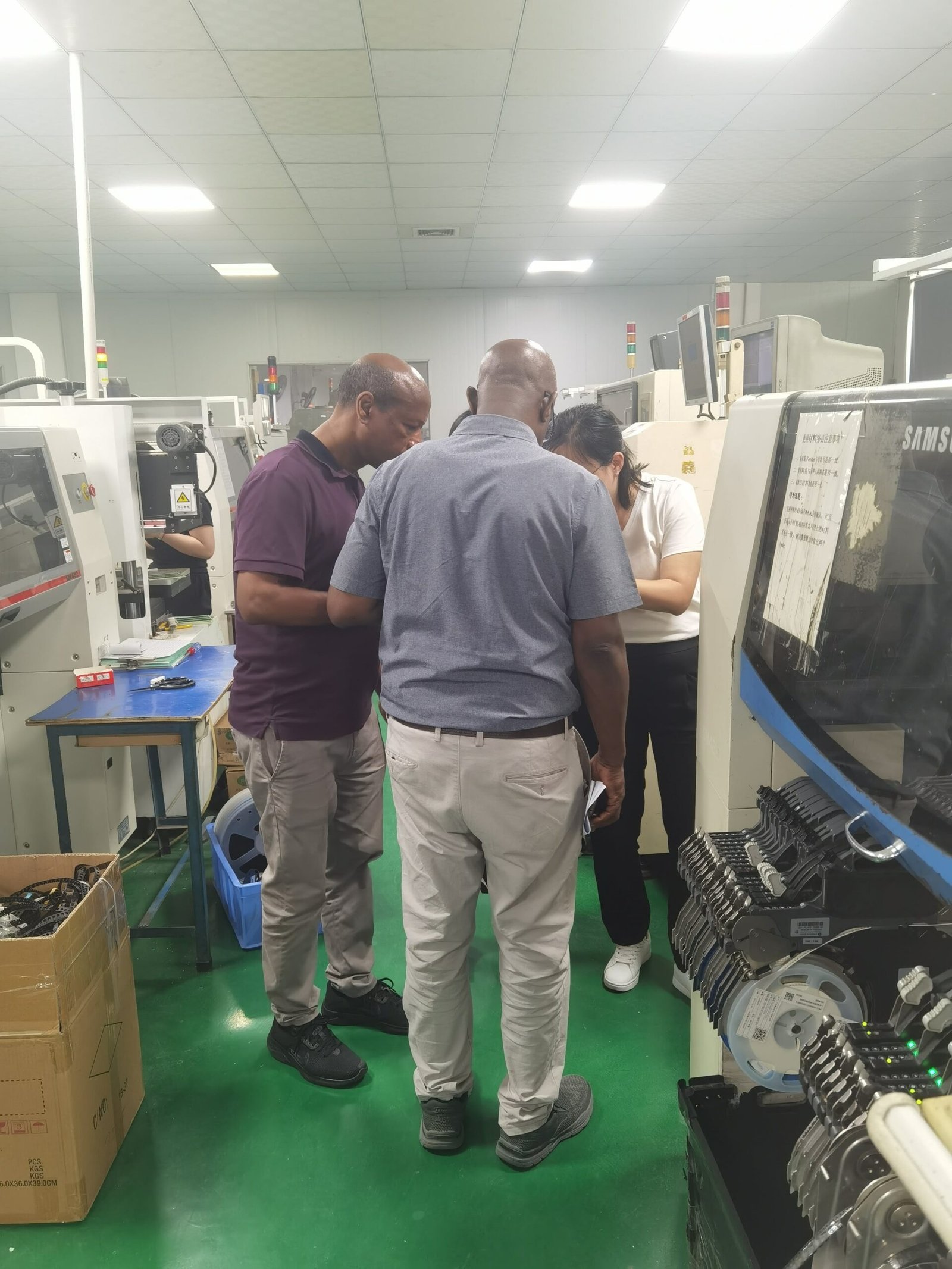
A solar generator manufacturer owns and operates its own factory, including:
Production lines
Assembly workshops
Testing & aging facilities
R&D and engineering teams
Manufacturers usually offer OEM / ODM services, technical customization, and full quality control.
Key Advantages for Importers
Direct factory pricing
Full control over product quality
Faster technical communication
Long-term supply stability
2. What Is a Solar Generator Trading Company?
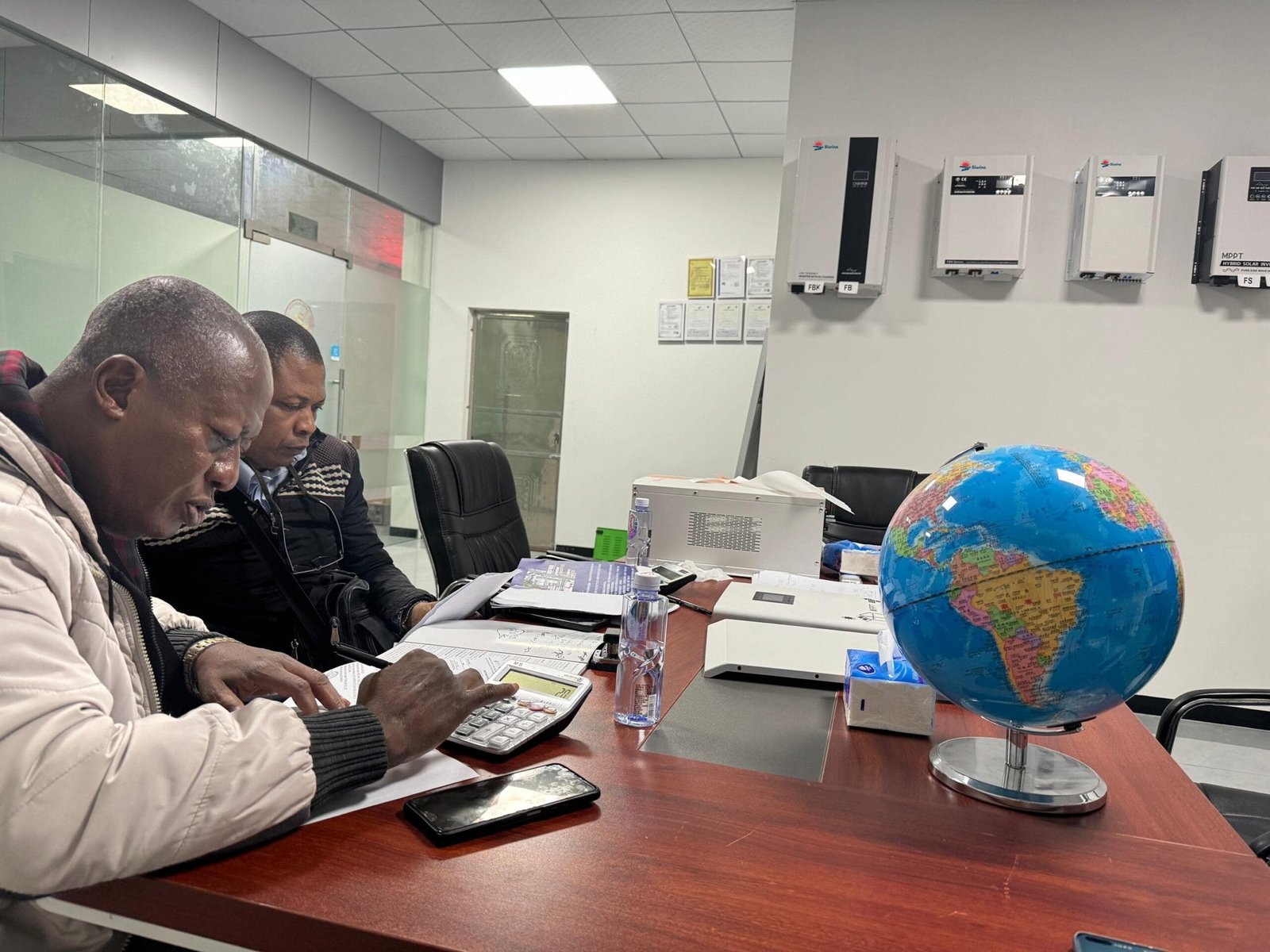
A trading company does not manufacture products itself. It sources solar generators from different factories and resells them to overseas buyers.
Why Some Importers Choose Trading Companies
Easier communication at the early stages
Small MOQ flexibility
Faster quotation process
However, this convenience often comes with hidden risks.
3. Quality Control: The Biggest Difference
For importers, quality stability is more important than initial price.
Manufacturer
In-house QC standards
100% aging test before shipment
Consistent components and BOM
Traceable production records

Trading Company
Quality depends on outsourced factories
Difficult to ensure consistency between batches
Limited authority to enforce QC improvements
👉 For long-term distribution, manufacturers clearly offer stronger reliability.
4. Delivery Time & Supply Stability
Manufacturer Advantage
Direct production scheduling
Clear lead time control
Priority for long-term partners

Trading Company Risk
Dependent on third-party factories
Delays if factory capacity changes
Less control during peak seasons
For importers running local inventory or project-based EPC orders, supply stability is critical.
5. OEM / ODM Capability Matters More Than You Think
As markets become competitive, importers increasingly need:
Custom branding
Local voltage & plug standards
Battery configuration options
Certification support
Manufacturers Can Offer:
Logo & packaging customization
Hardware & software optimization
Certification coordination (CE, IEC, FCC, etc.)
Trading companies usually act only as intermediaries and cannot modify the product deeply.
6. After-Sales Support & Long-Term Cooperation
Manufacturer Partnership Benefits
Direct technical engineers
Faster troubleshooting
Spare parts support
Long-term product roadmap
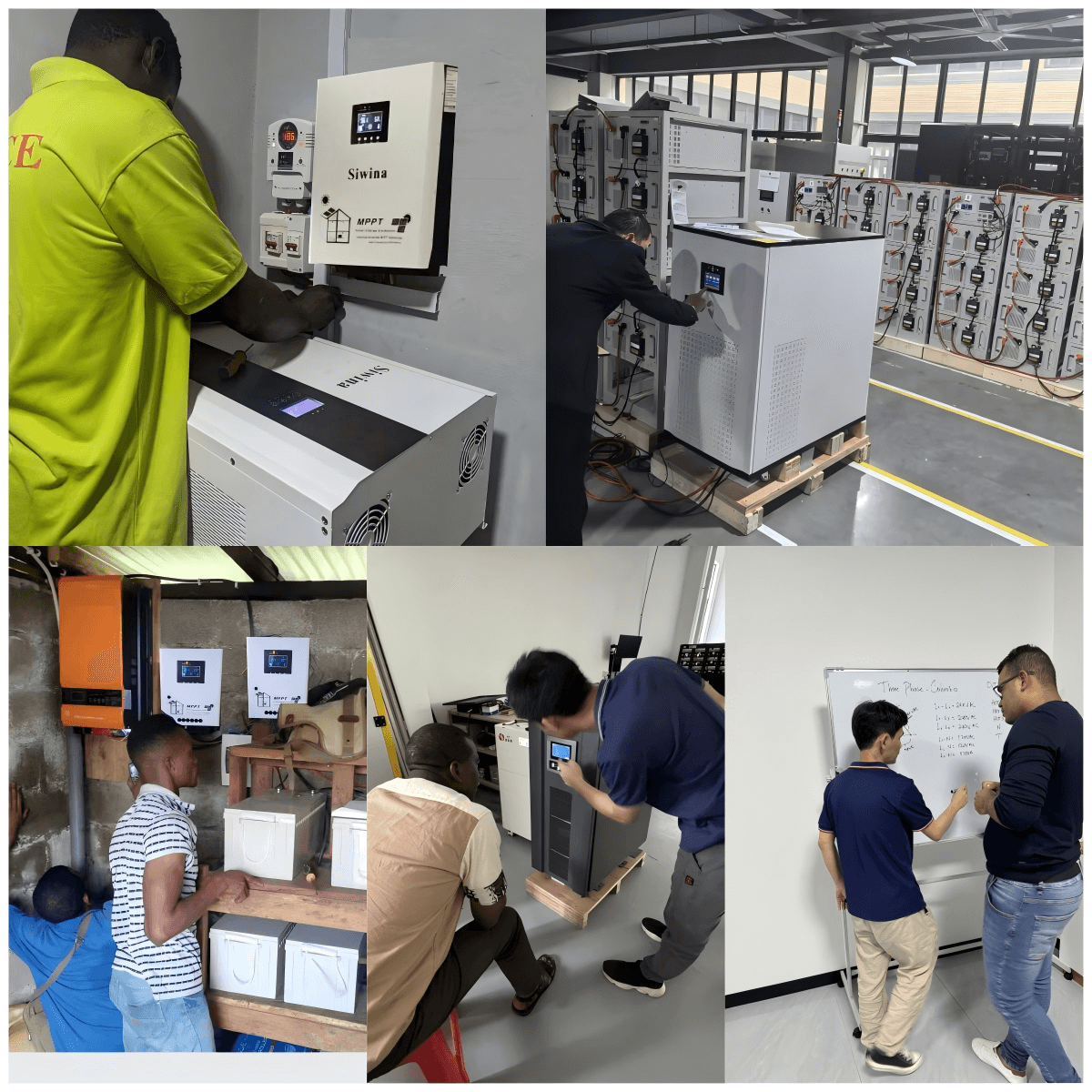
For importers building a brand or regional distribution network, after-sales capability directly affects reputation and repeat orders.
7. Which One Should Importers Choose?
| Importer Type | Recommended Partner |
|---|---|
| Brand Owner | Manufacturer |
| Distributor | Manufacturer |
| EPC Company | Manufacturer |
| One-time buyer | Trading Company |
| Price-only buyer | Trading Company |
👉 If your goal is long-term cooperation, stable quality, and market growth, a manufacturer is the safer choice.
Conclusion: Choose Stability Over Short-Term Convenience
While trading companies may seem easier at the beginning, experienced importers understand that:
Stable quality, reliable delivery, and technical support matter more than a slightly lower price.
Working directly with a solar generator manufacturer helps importers:
Reduce sourcing risks
Build stronger brands
Scale their business sustainably

